
- Blogs
- Influencer marketing
- Contact Us
- About Us
- News & Media
- FAQs
2026 OOH Boom: Why Billboard and Outdoor Advertising Are Outshining Digital in the New Media Era
<p>In 2026, out-of-home (OOH) advertising, including billboards and outdoor formats, is surging to a projected $9.89 billion market as brands shift budgets from saturated digital channels plagued by ad blockers, privacy issues, and fragmentation, embracing unskippable, high-impact physical media with innovations like smart billboards, sustainable materials, and data-driven targeting for superior reach, trust, and measurable ROI[1][2][4].</p>
abhishek 🕑 01/26/26 8
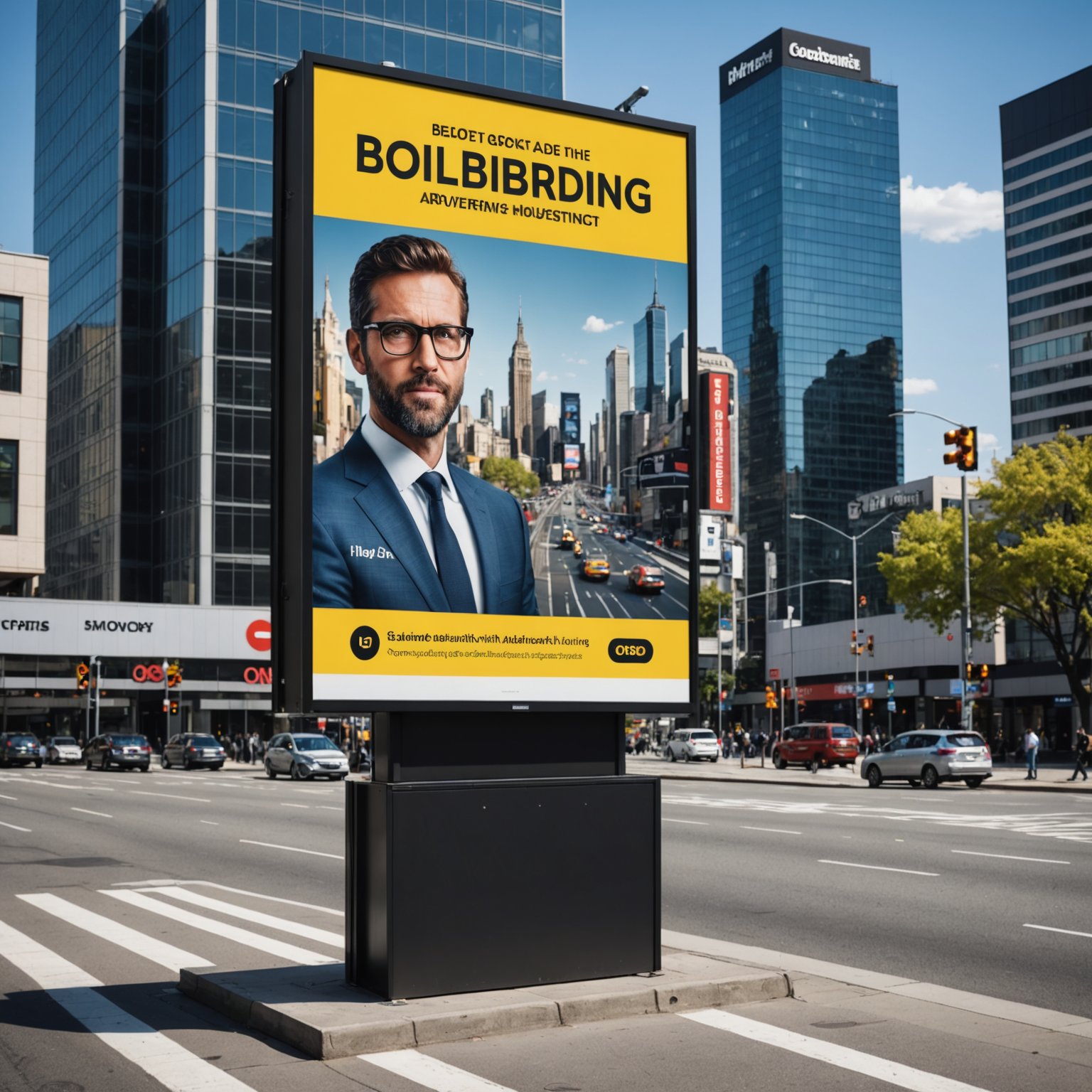
Market Growth and Shift from Digital Fatigue
The outdoor advertising sector, encompassing billboards, transit wraps, and street furniture, is witnessing unprecedented growth in 2026, forecasted to hit $9.89 billion amid a broader realignment of media budgets away from digital platforms overwhelmed by ad saturation, declining trust, and unreliable metrics. Unlike online ads vulnerable to blockers used by nearly half of internet users or skipped effortlessly, OOH delivers constant, unavoidable visibility to thousands or millions in high-traffic zones, fostering mass reach without platform dependencies or cookie reliance. This resurgence addresses digital's fragmentation—social feeds bloated, TV splintering, and privacy regulations tightening—positioning billboards as a reliable anchor for geographic targeting, especially for commuters, local brands, political campaigns, and tourism. Marketers highlight OOH's edge in brand-building through repeated exposure, reinforcing top-of-mind awareness in competitive markets, while integration with digital attribution models proves lift in search traffic, site visits, and footfall. Structural demands for frictionless, trustworthy channels propel this trend, with OOH solving pain points like banner blindness and data mistrust, making it essential for real-world impact in an era where consumers crave authenticity over algorithmic intrusion. As agencies rethink ROI, static and digital OOH hybrids emerge as growth engines, blending physical presence with AI analytics for precision without creepiness[1][2][4][5].
Innovations in Smart and Sustainable Billboards
2026 ushers in transformative OOH trends like hyperlocal smart billboards equipped with sensors, GPS, and AI to tailor content dynamically based on traffic, events, or weather, minimizing waste and maximizing relevance without invasive personal data collection. These "helpful, not intrusive" displays respond to real-time contexts, boosting action rates by 6% and purchase intent 1.3x over generic ads, while 55% of audiences report feeling campaigns are personally relevant. Complementing this, sustainability drives adoption of eco-materials—biodegradable vinyl, recycled paper, water-based inks, living plant billboards, and solar-powered screens—aligning with 72% of consumers willing to pay premiums for green brands, potentially offsetting higher costs via loyalty gains. Guerrilla tactics like sidewalk art, projections, and pop-ups add viral creativity, while digital out-of-home (DOOH) strategies unify static billboards with place-based screens into cohesive networks for data-driven planning. This evolution counters digital's noise, offering broad scale with positive perception, especially for purpose-driven messaging on affordability and emotion in public spaces, free from moralizing. Brands leveraging these see OOH as future-ready, navigating live-contextual advertising (LHF) rules and AI disruptions to deliver measurable, culturally attuned impact that turns viewers into fans through joy, humor, and context[1][4][6][8].
Strategic Advantages for Brand Building and Targeting
OOH excels in 2026 for hyperlocal precision, matching formats to goals—billboards for mass visibility, transit ads for urban commuters, street furniture for neighborhoods—while choosing static for bold visuals or digital for dynamism based on call-to-action needs. Ideal for events, local promotions, and high-impact storytelling, it bypasses ad avoidance, delivering unskippable exposure that builds emotional resonance in everyday environments like highways, airports, and venues. Purpose-driven outdoor brands thrive by appearing authentically at trailheads, events, and communities, fostering lifestyle integration over feed clutter, birthing advocates through consistent, in-person presence. Trends emphasize cultural relevance, non-preachy sustainability, and collective appeal amid data sensitivity, with OOH's physicality blending meaning and joy to drive downstream behaviors. Agencies adopt data playbooks treating all assets cohesively, unlocking ROI via audience ratings, new formats, and tech for planning. This positions OOH as a corrective force, rediscovering physical media's clarity and reliability when digital falters, urging aggressive mix integration for fragmented audiences[1][2][3][4].
DOOH and Measurable Impact in Fragmented Landscapes
Digital OOH (DOOH) strategies dominate 2026 effectiveness, transforming campaigns with programmatic buying, real-time adjustments, and attribution linking billboard views to online actions, proving influence on search lift and traffic without digital's brand safety risks. In cities like LA's Sunset Boulevard, towering displays capture cultural shifts amid palm-lined traffic, breaking attention barriers where traditional media struggles. OOH's momentum from 2025 carries forward, fueled by creativity, data sophistication, and tech solutions yielding clearer metrics than ever, essential amid audience fragmentation. Spring campaigns exemplify renewal-themed strategies, leveraging OOH's vitality for fresh consumer mindsets on starts and specials. Resource centers highlight new digital tech, formats, and ratings systems empowering advertisers. As platforms fragment further, OOH's independence—no ecosystems, no mistrust—delivers scale and presence, accelerating as privacy rises and saturation persists[2][4][5][6][7].
Future Outlook: OOH as Essential Media Mix Pillar
Looking ahead in 2026, OOH solidifies as indispensable, not nostalgic but proven for reach, trust, and presence in fractured environments, with questions shifting to usage aggressiveness. Trends like context-connected creativity, non-creepy relevance, and sustainable innovation ensure adaptability, helping brands via LHF compliance, brand-building amid AI, and DOOH potential. Political, tourism, and regional players gain rapid visibility; guerrillas go viral; all reinforce via repeated, localized exposure outperforming digital for visuals and events. Total spend rises despite digital dominance, spanning billboards to mall ads, sports venues, and ambient installs. Marketers prioritizing OOH cut noise, inspire loyalty, and measure real impact, heralding a balanced era where physical advertising reclaims primacy for authentic connections[1][2][3][4].
Popular Posts
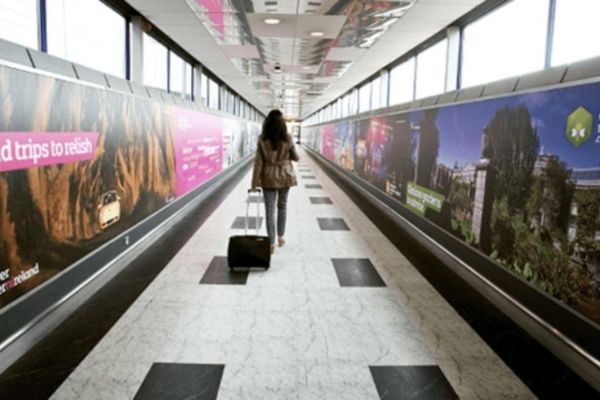
Captive Audience, Global Reach: Why Airport Advertising Still Matters
Gohoardings 🕑 03/28/24 120
Choosing the Perfect Spot: A Guide to Billboard Advertising
Gohoardings 🕑 07/30/24 76
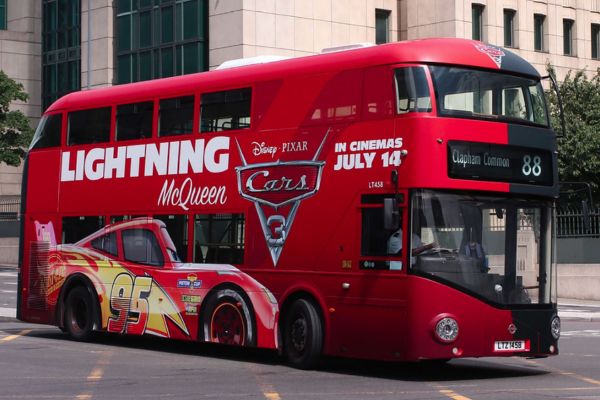
Riding into the Future: How Transit Advertising is Evolving
Gohoardings 🕑 03/28/24 65

Dynamic Digital Billboards Take Over Major Cities: A Game-Changer in Advertising
Gohoardings 🕑 07/10/25 27

"Revolutionizing the Skyline: The Latest Trends in Billboard Advertising"
Gohoardings 🕑 05/30/25 18
India's Largest Outdoor Advertising Company
Our advertising network spread across 130 cities with more than 1.2 lakh OOH advertising and DOOH advertising sites offering hassel-free branding experience. As the nation's largest advertising agency, we craft impactful campaigns that resonate, inspire, and drive success for brands nationwide.
Quick Links
- Login As Media Owner
- Odoads
- Blog
About Us
Team
Contact
-
Privacy Policy
-
Refund Policy
Popular Services
Trending Cities
Reach us
- +91 7777871717
- [email protected]
-
E-82, Sector 06
Noida, 201301 (U.P.)


copyrights © 2026 Gohoardings Solutions LLP

GoHoardings AI Assistant
Find outdoor advertising media instantly
Hello! I'm your GoHoardings assistant. I can help you find outdoor advertising media across India. Try asking me: • "Show me hoardings in Delhi under 200000" • "I want LED screens in Pune" • "Find lit billboards in Mumbai between 100000 and 300000"
Try these examples: