
- Blogs
- Influencer marketing
- Contact Us
- About Us
- News & Media
- FAQs
The Evolution of Outdoor Advertising in 2025: Digital Innovation, Data-Driven Strategies, and Interactive Experiences
<p>The outdoor advertising landscape has undergone a dramatic transformation in 2025, driven by the post-pandemic recovery and rapid technological advancement. Digital Out-of-Home (DOOH) advertising has emerged as the dominant force, with digital billboards now accounting for a significant and growing share of outdoor ad spending, reaching $17.6 billion in 2023 with continued 19.2% annual growth.[1] The industry is experiencing a fundamental shift toward programmatic buying, real-time data analytics, contextual personalization, augmented reality experiences, and sustainability-focused campaigns, while advertisers increasingly demand flexible short-term contracts and dynamic pricing models that reflect actual audience engagement rather than location alone.[1][2][4]</p>
abhishek 🕑 12/22/25 2
Digital Transformation and the Rise of Programmatic DOOH
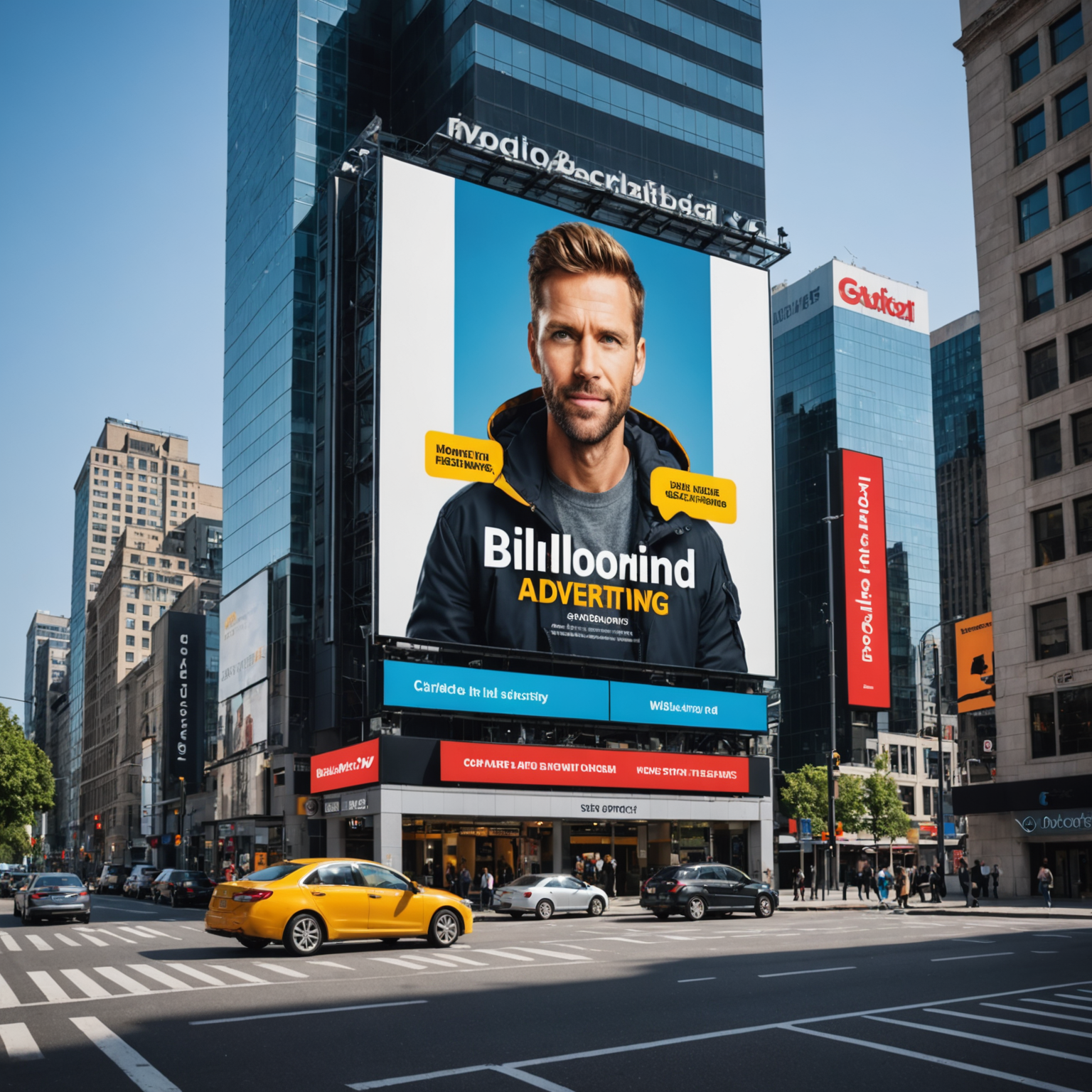
The most significant trend reshaping outdoor advertising in 2025 is the explosive growth of Digital Out-of-Home (DOOH) advertising and programmatic buying platforms.[1][2][5] Digital outdoor advertising has grown substantially faster than traditional billboards, with digital billboards now commonplace in busy cities, airports, and shopping malls.[1] Programmatic digital billboards allow brands to purchase advertising space in real-time, similar to online ad platforms, enabling dynamic messaging that changes based on time of day, weather conditions, or audience demographics.[2] This technological shift represents a fundamental departure from static, long-term billboard contracts toward flexible, data-responsive advertising solutions. The appeal of programmatic DOOH lies in its ability to deliver immediate campaign adjustments and precise targeting, allowing advertisers to respond instantly to market changes, consumer behavior shifts, or sudden opportunities.[1] Digital billboards make it possible to switch advertisements in minutes rather than weeks, providing unprecedented agility in campaign management.[1] The investment in DOOH infrastructure has been substantial, with digital outdoor advertising spending reaching $17.6 billion in 2023 and growing by 19.2% annually, demonstrating strong market confidence in this advertising medium.[1] This growth trajectory shows no signs of slowing, as brands recognize the superior performance metrics and flexibility that digital platforms provide compared to traditional static billboards.
Real-Time Data Analytics and Contextual Personalization
Advanced data analytics and artificial intelligence have become central to outdoor advertising strategy in 2025, enabling unprecedented levels of campaign measurement and personalization.[2][4][6] Advertisers now have access to sophisticated tools that track billboard performance through metrics such as impressions, engagement rates, and return on investment, leveraging mobile data and geofencing technology to gather actionable insights.[2] Programmatic DOOH takes contextual advertising to new heights by utilizing real-time data about weather, traffic patterns, time of day, and specific local events to create highly relevant messaging.[4] For example, a beverage brand can promote hot coffee on rainy mornings or iced beverages on sunny days, dynamically adapting content to immediate environmental conditions and consumer needs.[4] Artificial intelligence and machine learning technologies analyze demographic data, consumer behaviors, and interests to craft personalized content in real-time, enabling advertisers to target specific audience segments with precision.[6] Mobile data insights allow brands to reach working professionals during their peak engagement windows, such as commuting hours, with messages tailored to their specific location and context.[5] This shift from location-based pricing to performance-based pricing models reflects the industry's evolution toward accountability and measurable results.[1] The integration of Near Field Communication (NFC) technology further enhances tracking capabilities, providing real-time viewership analytics and engagement data that were previously unavailable in outdoor advertising.[1] This data-driven approach fundamentally changes how advertisers evaluate outdoor advertising effectiveness and allocate budgets across campaigns.
Interactive and Immersive Technologies Redefining Consumer Engagement
The integration of cutting-edge interactive technologies is transforming outdoor advertising from passive viewing experiences into engaging, immersive brand interactions in 2025.[2][3][6] Augmented Reality (AR) billboards now enable passersby to use their smartphones to unlock interactive experiences, including product demonstrations, immersive games, and branded content that extends the advertising experience beyond the physical billboard.[2] Three-dimensional digital displays are captivating audiences worldwide with eye-catching designs that create memorable experiences perfect for social media sharing and viral marketing.[2] QR codes and NFC technology bridge the gap between outdoor and digital advertising, allowing consumers to scan a billboard and be directed instantly to websites, mobile apps, or exclusive digital content.[2][3] Pop-up activations and experiential advertising have become increasingly popular, with brands creating temporary installations that provide one-of-a-kind experiences and direct customer engagement.[6] These interactive elements significantly enhance consumer recall and brand loyalty, as 56% of consumers actively discuss the funny or memorable outdoor advertisements they encounter.[3] The "wow factor" has become a critical element of outdoor advertising strategy, with brands seeking bold, visually stunning designs that capture attention and generate social media buzz.[6] Location-based mobile targeting capabilities allow advertisers to deliver personalized messages to specific communities, making campaigns more relevant and impactful to local audiences.[2] This evolution toward interactive, immersive experiences reflects a broader shift in consumer expectations for brand engagement across all advertising channels.
Market Recovery, Flexible Pricing Models, and Premium Location Demand
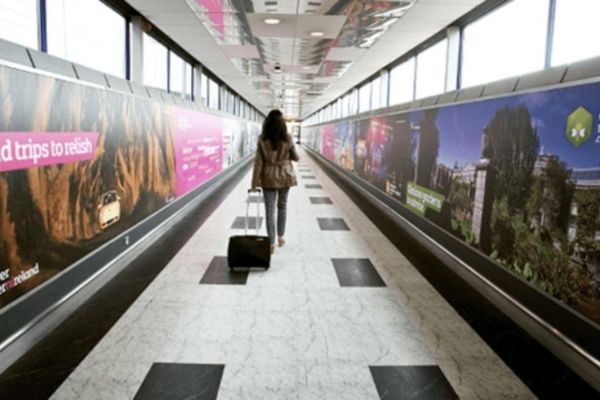
The post-pandemic recovery has fundamentally reshaped outdoor advertising pricing structures and market dynamics, with significant variations based on location desirability and traffic patterns.[1] During the pandemic, outdoor advertising prices fell sharply due to reduced foot traffic and public space utilization, but prices have rebounded strongly as people returned to public spaces and commuting resumed.[1] Premium locations such as airports, transit hubs, and downtown business districts have experienced particularly dramatic price increases, with airport advertising rates soaring by 10-15% in 2024-2025 due to the post-pandemic travel boom.[1] Advertisers demonstrate strong willingness to pay premium rates for high-traffic locations that reach large crowds quickly, recognizing the superior return on investment these placements provide.[1] Simultaneously, the industry has shifted toward more flexible and short-term contract arrangements, moving away from long-term fixed commitments.[1] Many outdoor advertising companies now offer short-term contracts and dynamic pricing models that allow brands to respond quickly to market changes, potential lockdowns, or shifts in consumer behavior.[1] This flexibility has become increasingly valuable as businesses recognize the need for agile marketing strategies that can adapt to unpredictable market conditions.[1] Pricing is increasingly based on actual audience engagement metrics and performance rather than location alone, creating more equitable and transparent pricing structures.[1] The combination of premium pricing for high-traffic locations and flexible, performance-based pricing models reflects the industry's maturation and the growing sophistication of advertiser expectations.
Sustainability, Green Innovation, and Brand Responsibility Integration
Environmental consciousness and sustainability have emerged as significant considerations in outdoor advertising strategy for 2025, with brands increasingly adopting eco-friendly practices and green technologies.[2][5] Advertisers are turning toward sustainable materials for traditional billboards, solar-powered digital displays to reduce energy consumption, and recyclable banners that minimize environmental impact.[2][5] Many brands now highlight their commitment to sustainability within their outdoor advertising messaging, integrating environmental responsibility into their brand narrative and consumer communications.[2] Eco-friendly printing materials and solar-powered hoardings are now preferred by both advertisers and local authorities, aligning brand visibility with social responsibility and environmental stewardship.[5] This trend reflects broader consumer expectations for corporate environmental responsibility, with brands recognizing that sustainability-focused advertising resonates with environmentally conscious consumers.[2] The integration of green technologies into outdoor advertising infrastructure, such as solar-powered LED displays, reduces operational costs while demonstrating genuine environmental commitment.[2] This shift toward sustainability represents not merely a marketing trend but a fundamental business imperative, as regulatory bodies increasingly encourage or mandate sustainable OOH installations.[5] The convergence of advertising effectiveness with environmental responsibility creates a win-win scenario where brands can enhance their market position while contributing to environmental preservation and sustainability goals.
Popular Posts
Captive Audience, Global Reach: Why Airport Advertising Still Matters
Gohoardings 🕑 03/28/24 120

Choosing the Perfect Spot: A Guide to Billboard Advertising
Gohoardings 🕑 07/30/24 76
Riding into the Future: How Transit Advertising is Evolving
Gohoardings 🕑 03/28/24 65

Dynamic Digital Billboards Take Over Major Cities: A Game-Changer in Advertising
Gohoardings 🕑 07/10/25 27

"Revolutionizing the Skyline: The Latest Trends in Billboard Advertising"
Gohoardings 🕑 05/30/25 18
India's Largest Outdoor Advertising Company
Our advertising network spread across 130 cities with more than 1.2 lakh OOH advertising and DOOH advertising sites offering hassel-free branding experience. As the nation's largest advertising agency, we craft impactful campaigns that resonate, inspire, and drive success for brands nationwide.
Quick Links
- Login As Media Owner
- Odoads
- Blog
About Us
Team
Contact
-
Privacy Policy
-
Refund Policy
Popular Services
Trending Cities
Reach us
- +91 7777871717
- [email protected]
-
E-82, Sector 06
Noida, 201301 (U.P.)


copyrights © 2026 Gohoardings Solutions LLP

GoHoardings AI Assistant
Find outdoor advertising media instantly
Hello! I'm your GoHoardings assistant. I can help you find outdoor advertising media across India. Try asking me: • "Show me hoardings in Delhi under 200000" • "I want LED screens in Pune" • "Find lit billboards in Mumbai between 100000 and 300000"
Try these examples: