
- Blogs
- Influencer marketing
- Contact Us
- About Us
- News & Media
- FAQs
Outdoor Advertising Transforms in 2026: Digital Innovation, Data-Driven Strategies, and Interactive Engagement Reshape the Industry
<p>Outdoor advertising is undergoing a significant transformation in 2026, evolving from a traditional branding medium into a connected, data-driven growth channel that combines physical presence with digital intelligence[3]. The industry is experiencing rapid growth in digital out-of-home (DOOH) advertising, with programmatic buying, interactive technologies like augmented reality and AI-driven optimization, and a strong emphasis on sustainability reshaping how brands connect with consumers in public spaces[1][4]. This shift reflects broader media trends as advertisers redirect budgets away from saturated digital channels toward out-of-home formats that offer measurable impact and authentic engagement[5].</p>
abhishek 🕑 01/22/26 1
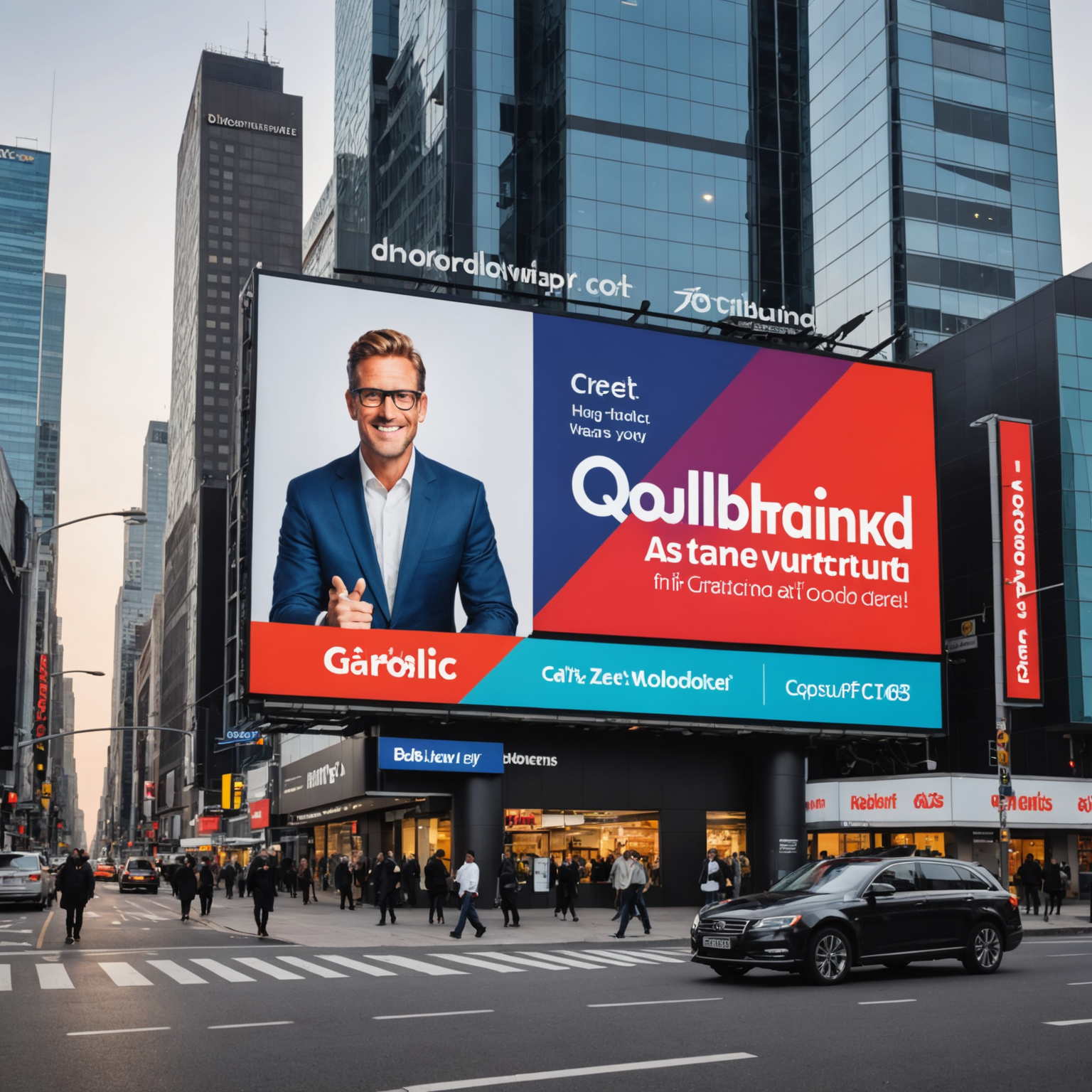
The Digital Revolution in Outdoor Advertising
Digital out-of-home (DOOH) advertising is fundamentally reshaping the outdoor advertising landscape in 2026, with projections indicating that DOOH will account for over 40% of total outdoor ad spend[1]. Digital billboards enable advertisers to refresh messages instantly, adapting content based on audience demographics, time of day, weather conditions, and contextual triggers[1]. This technological shift makes billboard advertising significantly more strategic and adaptable than traditional static formats[4]. Programmatic DOOH introduces automated buying and advanced audience targeting capabilities, allowing for cost-efficient and precise placements that maximize campaign effectiveness[1]. The flexibility of digital formats helps brands adjust campaigns in real time based on traffic flow and nearby audience activity, representing a fundamental departure from the static nature of conventional outdoor advertising[4]. This digital transformation is being driven by the reality that traditional digital channels—social media feeds, linear television, and performance metrics—are becoming increasingly saturated and difficult to trust, prompting advertisers to seek alternative channels that deliver measurable real-world impact[5].
Immersive Technologies and Interactive Engagement
Interactive and immersive technologies are transforming outdoor advertising into memorable, participatory experiences that go far beyond passive viewing[1]. Augmented reality (AR) overlays, 3D displays, and motion-sensing screens are creating engaging brand experiences that captivate passersby and blur the boundaries between physical and digital environments[1]. Industry data demonstrates that interactive advertising formats can increase dwell time by 20 to 40 percent, fostering deeper brand relationships and generating shareable moments that amplify campaign reach[1]. Touch-enabled kiosks, AR-powered ads that overlay digital content on real-world environments, and gamified campaigns encourage active participation and create opportunities for instant feedback and product demonstrations[1]. These immersive formats are particularly effective because they lodge brands in the memories of passersby through experiential advertising, guerrilla marketing activations, and flash mobs[2]. The evolution toward interactive outdoor advertising reflects a broader shift in consumer expectations—audiences increasingly crave relevant, engaging, and personalized experiences in public spaces rather than one-directional messaging[1].
Hyper-Local Targeting and Smart City Integration
Outdoor advertising in 2026 is becoming increasingly sophisticated through hyper-local targeting and integration with smart city infrastructure[1]. Marketers are harnessing location data and real-time analytics to deliver messages tailored to specific neighborhoods, events, and even weather conditions, ensuring maximum relevance and impact[1]. IoT-connected screens, real-time data feeds, and AI-driven content optimization enable brands to deliver timely messages based on traffic flow, local events, and audience demographics[1]. This data-driven approach represents a fundamental shift from traditional outdoor advertising's broad-brush approach to a precision-targeted model that mirrors the sophistication of digital advertising[8]. Strategic placement in high-traffic locations such as city centers, transit hubs, retail zones, and street furniture—including bus stops, charging docks, and bike racks—remains central to success, with rapid urbanization and increased consumer mobility boosting visibility and frequency of campaigns[1][2]. Mobile billboard advertising is also experiencing renewed growth, moving through specific neighborhoods and event locations to deliver messages at precisely the right place and time[4]. This convergence of physical presence and digital intelligence allows outdoor advertising to seamlessly blend into the urban environment while enhancing both utility and engagement[1].
Sustainability, Authenticity, and Emotional Connection
Sustainability has become a core strategic priority for outdoor advertising in 2026, with brands increasingly choosing recyclable materials, energy-efficient LED displays, and solar-powered billboards to minimize environmental impact[1]. Green initiatives and carbon-neutral campaigns are becoming industry standards, resonating strongly with eco-conscious consumers who value authentic brand purpose[1]. Beyond environmental considerations, outdoor advertising is experiencing a return to brand building through authentic emotional connection and cultural relevance[6]. Campaigns that communicate purpose, affordability, and sustainability in grounded, non-preachy ways are proving particularly effective, with cultural moments in messaging delivering 6% higher action rates and 1.3 times more likelihood to drive purchase intent[6]. The physical nature of outdoor advertising allows brands to communicate meaning and emotion during moments that genuinely matter to audiences, creating resonance that digital channels struggle to achieve[6]. Additionally, accessibility and inclusivity are gaining momentum, with campaigns designed for visibility and comprehension by all audiences, including multilingual messages and tactile or audio features[1]. This holistic approach to outdoor advertising—combining environmental responsibility, authentic emotional connection, and inclusive design—reflects evolving societal values and consumer expectations[1].
Strategic Advantages and Industry Growth
Outdoor advertising's growth trajectory in 2026 reflects its strategic advantages in an increasingly fragmented media landscape where digital channels face declining trust and attention[5]. Consumer engagement metrics demonstrate outdoor advertising's effectiveness: 71% of consumers regularly look at messages on roadside billboards, 26% have visited a brand's website directly in response to an OOH ad, and 56% of customers discuss funny billboards or OOH ads they encounter[2]. This organic word-of-mouth amplification, combined with creative billboards that generate social sharing, provides measurable real-world impact that advertisers increasingly demand[4]. Outdoor advertising has evolved from a high-visibility branding medium into a connected, measurable growth channel that sits at the intersection of physical presence and digital intelligence[3]. By understanding and applying current billboard advertising trends—including digital growth, programmatic buying, interactive formats, mobile billboards, and sustainability focus—businesses can plan more effective campaigns and maintain competitive advantage in a rapidly changing marketing landscape[4]. The industry's transformation signals that outdoor advertising is positioned to become a global operating system for brand communication, offering flexibility, authenticity, and proven performance that resonates with modern consumer behavior and values[8].
Popular Posts
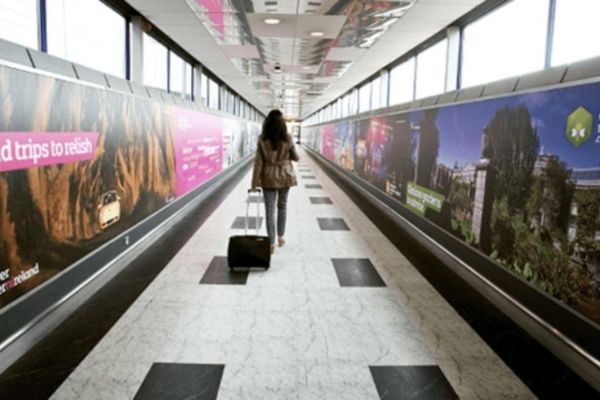
Captive Audience, Global Reach: Why Airport Advertising Still Matters
Gohoardings 🕑 03/28/24 120

Choosing the Perfect Spot: A Guide to Billboard Advertising
Gohoardings 🕑 07/30/24 76
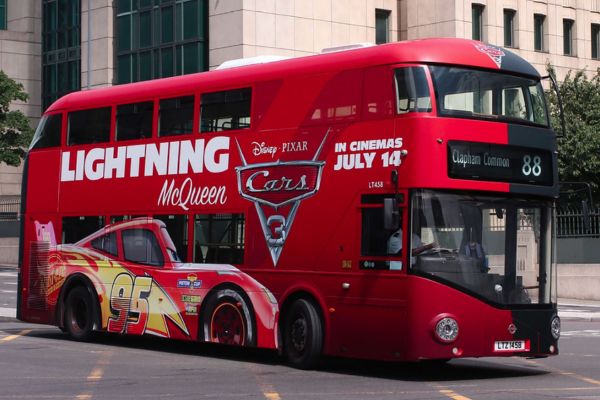
Riding into the Future: How Transit Advertising is Evolving
Gohoardings 🕑 03/28/24 65

Dynamic Digital Billboards Take Over Major Cities: A Game-Changer in Advertising
Gohoardings 🕑 07/10/25 27

"Revolutionizing the Skyline: The Latest Trends in Billboard Advertising"
Gohoardings 🕑 05/30/25 18
India's Largest Outdoor Advertising Company
Our advertising network spread across 130 cities with more than 1.2 lakh OOH advertising and DOOH advertising sites offering hassel-free branding experience. As the nation's largest advertising agency, we craft impactful campaigns that resonate, inspire, and drive success for brands nationwide.
Quick Links
- Login As Media Owner
- Odoads
- Blog
About Us
Team
Contact
-
Privacy Policy
-
Refund Policy
Popular Services
Trending Cities
Reach us
- +91 7777871717
- [email protected]
-
E-82, Sector 06
Noida, 201301 (U.P.)


copyrights © 2026 Gohoardings Solutions LLP

GoHoardings AI Assistant
Find outdoor advertising media instantly
Hello! I'm your GoHoardings assistant. I can help you find outdoor advertising media across India. Try asking me: • "Show me hoardings in Delhi under 200000" • "I want LED screens in Pune" • "Find lit billboards in Mumbai between 100000 and 300000"
Try these examples: