
- Blogs
- Influencer marketing
- Contact Us
- About Us
- News & Media
- FAQs
2025 OOH Advertising Trends: Programmatic DOOH, Sustainability, and Interactive Innovations Driving Billboard Renaissance
<p>In 2025, out-of-home (OOH) advertising, including billboards and digital displays, is surging with programmatic DOOH enabling real-time, data-driven ads tailored to weather, time, and location; sustainability via eco-materials and solar power; AR integrations with mobile for interactive experiences; hyper-local targeting; and advanced analytics for ROI measurement, as 71% of consumers engage with roadside messages and 26% visit sites post-exposure, blending physical impact with digital precision for unmatched omnichannel relevance[1][2][3][4][5][7].</p>
abhishek 🕑 12/18/25 0

Programmatic Digital Billboards Revolutionizing Real-Time Targeting
Programmatic digital out-of-home (DOOH) advertising stands as the cornerstone of 2025 billboard trends, allowing brands to purchase and optimize ad space in real-time much like online platforms, with dynamic messaging adapting to time of day, weather conditions, traffic patterns, audience demographics, and local events for hyper-relevant campaigns[1][3][4][5][7]. This shift enables advertisers to swap content instantly—promoting hot coffee on rainy mornings or iced beverages during sunny spells—boosting engagement through contextual precision that traditional static billboards could never achieve, while projections show programmatic OOH spend rising sharply, from £86.8 million in the UK in 2024 to £105 million in 2025, with 36% of media plans incorporating it and a 29% average increase in campaign budgets[7]. Integration with AI-driven tools further personalizes delivery, using triggers like location data to target commuters or parents with tailored messages, such as sunscreen ads on sunny days near school routes or protein coffee promotions on gym-goer paths, merging broad reach with individual resonance[1][7]. Data analytics enhance this by measuring impressions, engagement rates, and ROI via mobile data and geofencing, providing quantifiable proof of OOH's value in omnichannel strategies where digital billboards serve as anchors[1][4][7]. As consumer behaviors evolve toward expecting personalized experiences, programmatic DOOH not only captures attention in high-traffic areas but also drives measurable actions like website visits, with 26% of people responding directly to OOH exposure, positioning it as a must-have for brands seeking efficiency and impact in competitive urban landscapes[2][5]. This trend's growth underscores OOH's evolution from passive displays to intelligent, responsive media ecosystems that outperform digital-only alternatives in real-world visibility and recall[3][10].
Sustainability and Eco-Friendly Designs in Outdoor Advertising
Sustainability has emerged as a dominant force in 2025 OOH trends, with advertisers prioritizing eco-friendly materials like biodegradable vinyl, recycled plastics, and recyclable banners, alongside solar-powered digital displays and renewable energy integrations to slash carbon footprints and energy use[1][3][5][7]. In regions like Delhi NCR, authorities incentivize green hoardings, while UK initiatives introduce unified carbon calculators revealing OOH's low impact—merely 3.3% of ad power consumption and under 3.5% of total ad carbon footprint—allowing brands to align visibility with environmental responsibility and appeal to conscious consumers who favor sustainable practices[3][7]. Innovations extend to community-centric installations, such as air-purifying coatings, greenery-integrated structures, and urban gardens around ad sites, transforming billboards into positive environmental contributors that enhance public spaces[5][7]. This focus resonates as 56% of customers discuss memorable OOH ads, amplifying brands that weave sustainability into messaging, like those highlighting eco-commitments on solar-lit panels, fostering loyalty and social media shares[1][2]. LED technology's energy efficiency further supports this shift, reducing operational costs while maintaining high-quality visuals, making green OOH viable for small businesses leveraging transit, retail, or street furniture formats[2][5]. As global environmental awareness peaks, these practices not only comply with regulations but position OOH as a credible channel building consumer confidence, with data showing sustained growth in sustainable marketing strategies that balance scale, impact, and planetary stewardship[7]. Brands adopting these trends report stronger ROI through authentic narratives that differentiate them in crowded markets, proving sustainability is both ethical imperative and strategic advantage in billboard evolution[1][3].
AR and Mobile Integration Bridging OOH with Digital Worlds
Augmented reality (AR) billboards and mobile device integrations are captivating 2025 audiences, turning static displays into interactive portals via QR codes, NFC technology, and location-based targeting that direct users to apps, websites, or immersive experiences with a simple scan[1][2][4]. Passersby unlock product demos, games, or personalized content, with 71% regularly viewing roadside messages and heightened expectations for interactivity driving viral sharing, as seen in bold 3D displays and experiential activations inspired by spectacles like the Las Vegas Sphere[2][6]. AR platforms bridge physical-digital gaps, enabling guerilla marketing, flash mobs, and gamified billboards that lodge brands in memories, while sales automation and online proofing tools streamline creation and deployment for seamless campaigns[2][7]. Hyper-local personalization uses mobile insights to tailor messages for specific communities, enhancing relevance and foot traffic for local businesses via transit or retail ads[1][2]. This convergence blurs lines between OOH and experiential channels, with prOOH (programmatic OOH) amplifying reach through real-time adaptations, positioning digital billboards as omnichannel hubs[7]. Metrics from geofencing track uplift in engagements, proving AR's role in boosting ROI beyond impressions to conversions, as 26% visit sites post-OOH exposure[2][1]. As consumers crave "wow" factors, these trends elevate billboards from visual noise to participatory media, fostering deeper connections and social buzz in urban environments[6][7]. The result is a renaissance where OOH leverages smartphone ubiquity for unprecedented interactivity, redefining advertising's tactile power in a digital age[4][10].
Hyper-Local Targeting and Data Analytics Powering Precision OOH
Hyper-local targeting defines 2025 OOH precision, harnessing location data, audience behavior, and real-time triggers like weather or events to deliver community-specific messages on billboards, making campaigns profoundly relevant and effective[1][3][7]. Advertisers craft content for niches—such as working professionals on commute routes or gym enthusiasts during mornings—using programmatic platforms for instant adjustments, elevating DOOH as a data-driven powerhouse in omnichannel mixes[4][5][7]. Advanced analytics tools measure performance via impressions, engagement, and ROI, integrating mobile data and geofencing to attribute actions accurately, dispelling myths of OOH's untrackability[1][4]. This empowers small businesses with affordable street furniture or transit ads while scaling for globals, with prOOH growth enabling flexible buys at optimal moments[2][7]. Consumer data reveals 56% discuss standout ads, fueling word-of-mouth as hyper-local efforts spark conversations and visits[2]. In practice, sunscreen appears near family zones on sunny days, exemplifying resonance that static media lacks[7]. As AI refines predictions, these capabilities transform billboards into smart responders, optimizing budgets and outcomes[10]. The trend's momentum, with DOOH exploding globally, underscores OOH's pivot to audience-first planning, blending massive reach with pinpoint accuracy for superior persuasion[3][5]. Ultimately, data analytics cements OOH's credibility, providing evidence-based strategies that confident brands rely on for 2025 dominance[7].
Experiential and 3D Innovations Captivating Global Audiences
Experiential OOH and 3D digital displays are igniting 2025 trends, creating immersive "micro-moments" through gamified billboards, art installations, and bold LED spectacles that converge advertising with live brand encounters for unforgettable impact[6][7][8]. Inspired by the Las Vegas Sphere's spherical screens, these "bigger and bolder" activations—flash mobs, AR games, and interactive structures—drive social media shares, with 56% of viewers talking about funny or striking ads[2][6]. Convergence of OOH and experiential channels reimagines urban spaces as brand stages, from air-purifying installations to greenery-enhanced sites, blending creativity with community value[5][7]. Programmatic delivery scales these via real-time personalization, while tools like QR generators and AR platforms facilitate hybrid physical-digital journeys[2]. Favorites from 2025 campaigns highlight global creativity, from transit wraps to retail POS that leverage foot traffic for small-scale wins[2][8]. This evolution addresses higher interactivity demands, with DOOH's flexibility enabling weather-tied or event-synced experiences that boost recall and actions[5][9]. Sustainability integrates seamlessly, using eco-materials for durable, shareable displays that align with consumer values[1][7]. As OOH spend grows, these innovations position billboards as cultural touchpoints, fostering loyalty through participation over observation[7]. The outcome is a vibrant ecosystem where 3D visuals and experiential tactics not only capture eyes but embed brands in real-world narratives, securing OOH's role as advertising's most dynamic frontier[1][6][10].
Popular Posts
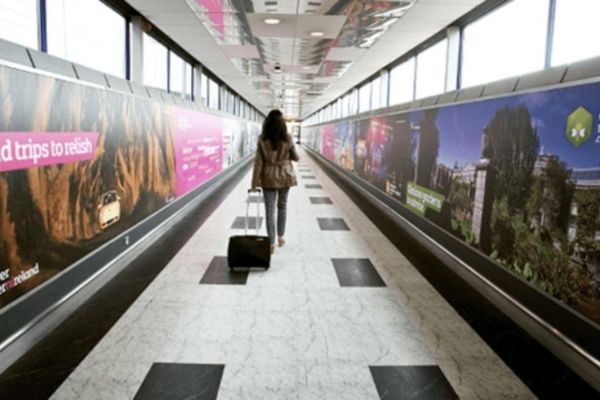
Captive Audience, Global Reach: Why Airport Advertising Still Matters
Gohoardings 🕑 03/28/24 120
Choosing the Perfect Spot: A Guide to Billboard Advertising
Gohoardings 🕑 07/30/24 76
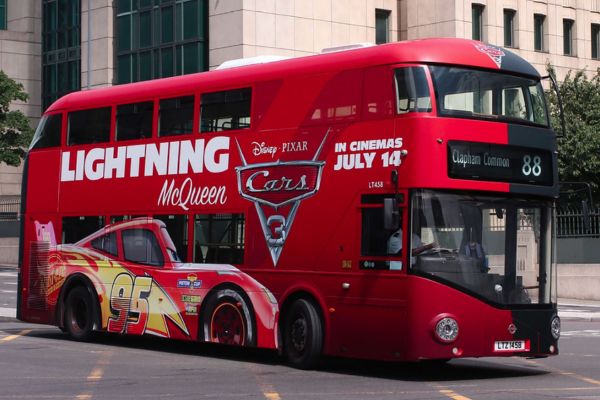
Riding into the Future: How Transit Advertising is Evolving
Gohoardings 🕑 03/28/24 65

Dynamic Digital Billboards Take Over Major Cities: A Game-Changer in Advertising
Gohoardings 🕑 07/10/25 27

"Revolutionizing the Skyline: The Latest Trends in Billboard Advertising"
Gohoardings 🕑 05/30/25 18
India's Largest Outdoor Advertising Company
Our advertising network spread across 130 cities with more than 1.2 lakh OOH advertising and DOOH advertising sites offering hassel-free branding experience. As the nation's largest advertising agency, we craft impactful campaigns that resonate, inspire, and drive success for brands nationwide.
Quick Links
- Login As Media Owner
- Odoads
- Blog
About Us
Team
Contact
-
Privacy Policy
-
Refund Policy
Popular Services
Trending Cities
Reach us
- +91 7777871717
- [email protected]
-
E-82, Sector 06
Noida, 201301 (U.P.)


copyrights © 2026 Gohoardings Solutions LLP

GoHoardings AI Assistant
Find outdoor advertising media instantly
Hello! I'm your GoHoardings assistant. I can help you find outdoor advertising media across India. Try asking me: • "Show me hoardings in Delhi under 200000" • "I want LED screens in Pune" • "Find lit billboards in Mumbai between 100000 and 300000"
Try these examples: