
- Blogs
- Influencer marketing
- Contact Us
- About Us
- News & Media
- FAQs
Holograms, AI, and Green Screens: How OOH Billboards Are Transforming in 2026
<p>Out-of-home (OOH) advertising in 2026 is being redefined by holographic and 3D billboards, AI-powered programmatic buying, data-driven targeting, and aggressive sustainability goals, turning traditional outdoor spaces into immersive, measurable, and environmentally responsible media platforms that rival digital channels in both impact and accountability.[1][2][3][4][7][8]</p>
abhishek 🕑 01/12/26 1
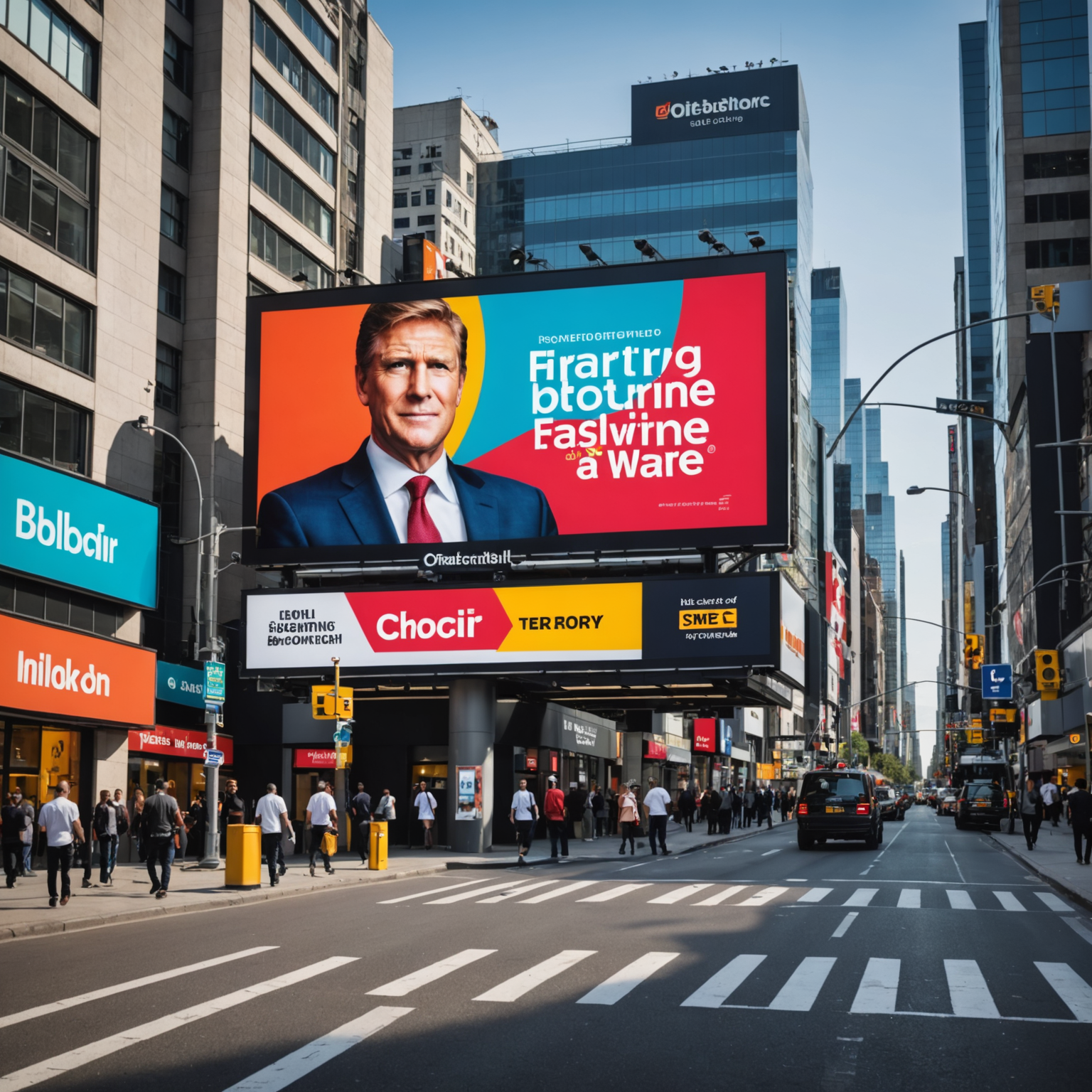
Immersive Holograms and 3D Billboards Turn Streets into Storytelling Theaters
Outdoor advertising is rapidly shifting from static posters to **holographic and 3D billboard experiences** that are engineered to make people stop, stare, film, and share.[2][3] Premium sites such as city squares, transport hubs, and airports are becoming showcases for anamorphic 3D creatives and hologram-style visuals that appear to leap off the screen, using optical illusions, depth, and motion to create a “wow” factor that traditional flat creatives cannot match.[2][3] These formats are particularly powerful for brand launches, entertainment, automotive, and tech campaigns, where the spectacle itself becomes the message and drives organic social amplification as passersby capture videos for platforms like TikTok and Instagram.[2][3] In 2026, these high-impact displays are increasingly synchronized across multiple screens, allowing brands to run citywide holographic takeovers or timed sequences that tell a story as people move through an environment.[2][3] This theatrical approach to billboard advertising blurs the line between media and urban architecture, turning facades, rooftops, and transit shelters into dynamic canvases. Advertisers are leveraging these immersive canvases alongside traditional static formats, using 3D and holographic executions for hero moments and static billboards for reach and reinforcement in surrounding areas.[2][3] As hardware costs decline and DOOH networks standardize specifications, more markets beyond global capitals are gaining access to 3D-ready inventory, making “spectacle OOH” a mainstream planning option rather than a niche innovation reserved for a handful of flagship sites.[2][3]
AI, Programmatic DOOH, and Data-Driven Planning Make Outdoor Smarter
Alongside creative innovation, **AI and programmatic digital out-of-home (DOOH)** are transforming how billboard and outdoor campaigns are bought, optimized, and measured in 2026.[1][2][3][7][8] Programmatic platforms now enable advertisers to activate, pause, and update campaigns in near real-time across large DOOH networks, triggered by factors such as audience movement, demographics, weather conditions, sports results, or even product inventory levels.[1][2][7][8] Instead of booking fixed slots months in advance, brands can dynamically adjust their presence based on performance data and contextual signals, treating OOH more like digital display while maintaining the unique reach and physical presence of outdoor media.[1][7][8] AI is increasingly used to power dynamic creative optimization, automatically tailoring messages and visuals to specific locations, times of day, and audience profiles to maximize relevance.[1][2][7] At the planning stage, location intelligence and mobility data help identify high-value sites and dayparts by mapping footfall, dwell time, and points of interest, allowing media buyers to treat every physical asset—from classic roadside billboards to place-based screens in gyms, EV charging stations, and malls—as part of a cohesive, data-driven network.[1][7][8] On the measurement side, integrations with mobile data, retargeting, and brand lift studies are giving marketers clearer attribution and ROI stories, addressing long‑standing concerns that OOH impact is hard to quantify.[4][7][8] This convergence of AI, automation, and real-world reach is positioning outdoor advertising as a stabilizing “operating system” for brands seeking effective, privacy-safe alternatives to increasingly constrained online targeting.[2][7][8]
Interactive, Mobile-Connected OOH Turns Viewers into Participants
One of the most significant 2026 shifts is the rise of **interactive and mobile-connected outdoor advertising**, which reframes billboards and street furniture as two-way engagement platforms rather than passive awareness tools.[1][2][3][4] Touch-enabled screens, motion sensors, gesture-controlled walls, and QR-enabled experiences are now being deployed at high-dwell venues such as transit hubs, stadiums, and EV charging stations, allowing audiences to play games, explore product demos, or trigger personalized content on demand.[1][2][3] These experiences are often designed to bridge physical and digital journeys: scan a QR code for a discount, tap an NFC tag to open an app, or use geofenced retargeting to receive follow-up messages after passing a billboard.[4] This tighter **convergence between mobile and OOH** means campaigns can now be orchestrated as connected funnels—using large-format media to capture attention in the real world and then moving people into measurable digital actions like downloads, store visits, or ecommerce.[1][2][4] Advertisers are also experimenting with AR overlays that let users point their phones at a static poster or digital screen to unlock an extended experience, from virtual try-ons to gamified treasure hunts that reward exploration across multiple sites.[1][2] Industry data and case studies suggest that interactive and AR-enhanced formats significantly increase dwell time and recall, with some reports citing dwell time lifts of 20–40 percent compared with non-interactive displays.[1][2] For brands, the value is twofold: deeper engagement in the moment, and richer first-party data and insight into how people respond to specific creatives, locations, and prompts. As consumers become more accustomed to tapping, scanning, and swiping in public spaces, interactive OOH is rapidly becoming a standard expectation rather than a novelty, especially among younger urban audiences.[1][2][3][4]
Sustainability and Carbon Transparency Redefine Outdoor Media Choices
Environmental responsibility is now a central storyline in **billboard and OOH advertising**, shaping investment decisions, formats, and even creative narratives in 2026.[1][2][4][7] Media owners are rolling out solar-powered units, hybrid solar‑digital billboards, and energy-efficient LED installations to reduce operational emissions while maintaining brightness and visibility.[1][2][4] At the same time, there is growing emphasis on using recycled and recyclable materials for static posters and structures, and on reducing waste by shifting more budget into DOOH formats that can be updated instantly without printing.[1][2][4] AI-driven energy management and carbon tracking tools are emerging as differentiators in media planning, allowing brands to access transparent dashboards that show the carbon footprint of their outdoor campaigns and compare different formats, locations, and schedules.[2][7] Regulatory pressure in key markets, especially in Europe, is pushing the industry toward stricter environmental standards, prompting earlier adoption of low-energy units and more rigorous reporting on environmental impacts.[4] Brands with strong ESG and sustainability commitments are using this evolution not only to minimize impact but also to build credibility, choosing networks that can prove energy efficiency and supporting campaigns that spotlight local environmental initiatives or purpose-driven stories.[1][2] In parallel, advertisers are increasingly sensitive to visual and social “pollution,” seeking smarter integration of media into the urban fabric and prioritizing designs that add aesthetic or informational value to public spaces.[1][7] This sustainability lens is influencing everything from creative brightness levels to dwell-time optimization, as planners weigh both performance and planetary cost. As these practices normalize, carbon efficiency and transparency are becoming as important as CPM and reach in outdoor media RFPs, giving greener networks a clear competitive edge.[1][2][4][7]
OOH Becomes a Core Brand Channel as Digital Fatigue Grows
Amid rising concerns about ad clutter, tracking restrictions, and declining trust in digital channels, **out-of-home advertising is gaining ground as a core brand-building medium** in 2026.[5][6][7] As users install ad blockers, reject cookies, and spend more time in walled gardens, many marketers are rediscovering the value of large, public, unskippable brand moments delivered through billboards, street furniture, transport media, and place-based screens.[5][6][7] Industry voices highlight a “return to brand building,” with OOH playing a leading role thanks to its ability to reach broad, real-world audiences while still benefiting from data-led planning and attribution.[5][6][7][8] Creative trends in outdoor media emphasize joy, humor, and cultural relevance—tapping into local memes, events, and communities—to turn viewers into fans and foster emotional connections that are harder to achieve in fragmented digital feeds.[5] Contextual sensitivity is also a priority: instead of hyper-invasive targeting, brands focus on **context that connects, not creeps**, using location, time of day, and situational relevance to deliver messages that feel appropriate and helpful rather than surveillance-driven.[5][7] As OOH networks integrate more tightly with omnichannel strategies—feeding insights into social, search, and retail media—many agencies are treating outdoor as the physical backbone of campaigns, using it to anchor narratives that are then amplified online.[6][7][8] Revenue trends in several markets indicate steady growth across both traditional and digital OOH formats, signaling that investment is driven by sustained demand rather than hype alone.[2][6][7] For brands navigating volatile online ecosystems, outdoor advertising offers a visible, trustworthy, and increasingly measurable platform that can support both long-term brand equity and short-term activation, cementing its role as a strategic pillar rather than an optional add-on.[5][6][7][8]
Popular Posts
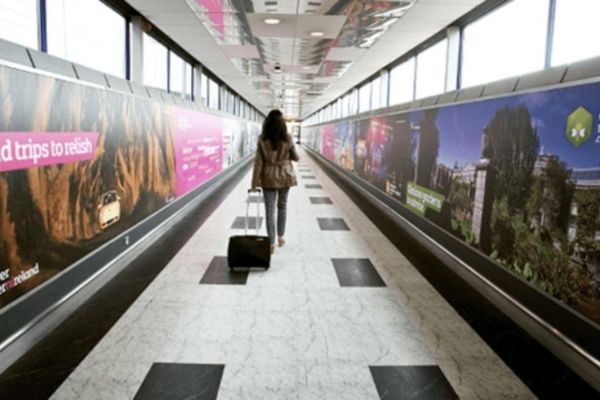
Captive Audience, Global Reach: Why Airport Advertising Still Matters
Gohoardings 🕑 03/28/24 120

Choosing the Perfect Spot: A Guide to Billboard Advertising
Gohoardings 🕑 07/30/24 76
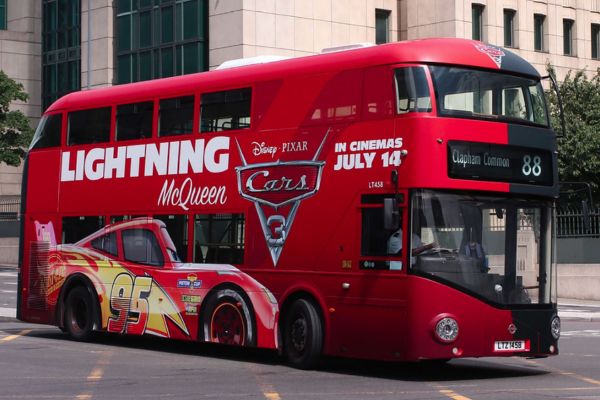
Riding into the Future: How Transit Advertising is Evolving
Gohoardings 🕑 03/28/24 65

Dynamic Digital Billboards Take Over Major Cities: A Game-Changer in Advertising
Gohoardings 🕑 07/10/25 27

"Revolutionizing the Skyline: The Latest Trends in Billboard Advertising"
Gohoardings 🕑 05/30/25 18
India's Largest Outdoor Advertising Company
Our advertising network spread across 130 cities with more than 1.2 lakh OOH advertising and DOOH advertising sites offering hassel-free branding experience. As the nation's largest advertising agency, we craft impactful campaigns that resonate, inspire, and drive success for brands nationwide.
Quick Links
- Login As Media Owner
- Odoads
- Blog
About Us
Team
Contact
-
Privacy Policy
-
Refund Policy
Popular Services
Trending Cities
Reach us
- +91 7777871717
- [email protected]
-
E-82, Sector 06
Noida, 201301 (U.P.)


copyrights © 2026 Gohoardings Solutions LLP

GoHoardings AI Assistant
Find outdoor advertising media instantly
Hello! I'm your GoHoardings assistant. I can help you find outdoor advertising media across India. Try asking me: • "Show me hoardings in Delhi under 200000" • "I want LED screens in Pune" • "Find lit billboards in Mumbai between 100000 and 300000"
Try these examples: